Cat Red Flag Behaviors: Signs to Call the Vet Fast
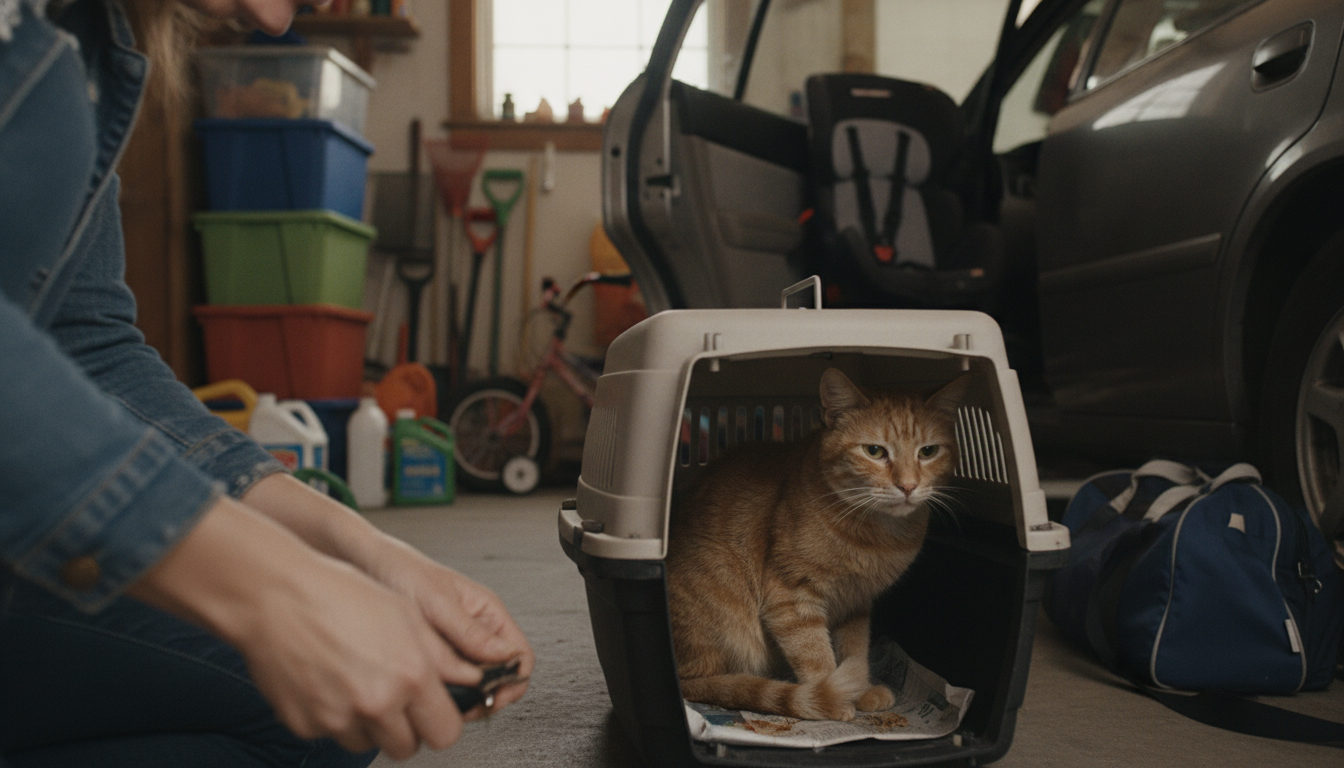
What is a red flag behavior in cats?
A red flag behavior in cats is a sudden, persistent, or escalating change that can signal pain, illness, high stress, or a serious behavior problem. Cats are experts at masking discomfort, so “acting a little off” can matter—especially when the change is new, intense, or out of character for your cat’s normal temperament.
Some red flags are urgent because they may point to a medical emergency. Others are behavioral warning signs that indicate fear, anxiety, or a conflict in the home that needs quick attention. For a broader baseline of what’s normal and how to interpret shifts, see the main guide: pet temperament baselines and how to decode dog and cat behavior.
Common red flag behaviors to watch for
Not using the litter box (peeing/pooping outside it) can be linked to urinary tract issues, stress, pain, or a litter box problem. Sudden accidents—especially frequent urination, straining, or vocalizing—should be treated as urgent.
Hiding more than usual or refusing to come out for food, play, or attention can signal pain, illness, or fear. A cat that’s normally social but becomes withdrawn deserves a closer look.
Unexpected aggression such as biting, swatting, or “rage” episodes may come from pain, overstimulation, fear, or redirected aggression (for example, after seeing another animal outside).
Changes in appetite or thirst—skipping meals, overeating, or noticeably drinking more—can point to medical issues. Pair this with vomiting, diarrhea, or weight change and it becomes more concerning.
Excessive vocalization (especially at night) can be stress-related, cognitive changes in seniors, or discomfort. If it’s new and persistent, it’s a red flag.
Overgrooming, hair loss, or sudden scratching can be caused by allergies, parasites, skin infections, or anxiety.
When to call the vet vs. address behavior
If the behavior change is sudden, accompanied by physical symptoms (lethargy, vomiting, straining to urinate, limping), or lasts more than a day or two, a veterinary check is the safest first step. Once medical causes are ruled out, focus on stress triggers (routine changes, new pets, noise), resource competition (litter boxes, food stations), and enrichment (play, climbing, hiding spots).
FAQ
Why is my cat suddenly hiding all the time?
Sudden hiding often points to stress, pain, or illness. If your cat is also eating less, acting lethargic, or avoiding the litter box, schedule a vet visit promptly.












Leave a comment